
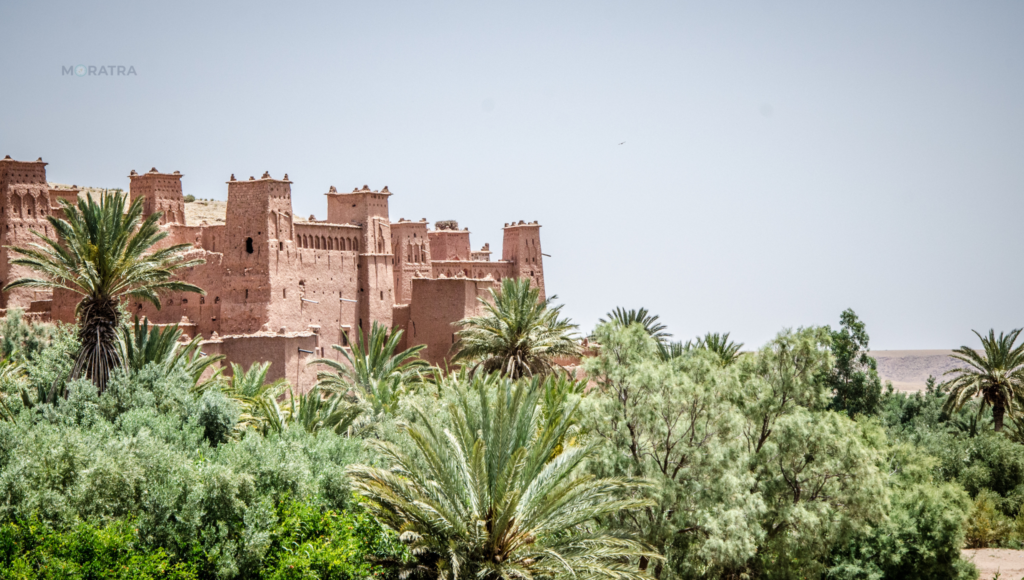
15 Days Across Morocco — The Grand Circuit
From the Atlantic shores of Casablanca to the golden silence of the Sahara, through blue mountain villages and medieval labyrinths — this is Morocco at its most complete. Your definitive guide to the ultimate 15-day journey.
A 15-day Grand Morocco Circuit is not just a trip — it is a passage through seven centuries of living history, from the crashing Atlantic waves of Casablanca to the infinite stillness of the Sahara Desert, through the blue-painted calm of Chefchaouen and the sensory intensity of Marrakech’s ancient souks.
April and May are the ideal window for this journey. Spring mildness still holds in the north, the desert is warm but not punishing, and the light across the entire country is nothing short of cinematic. This guide covers everything you need — where to go, where to sleep, what to eat, how much to spend, and the cultural nuances that transform you from a tourist into a traveler.
And if the idea of planning 15 days across five cities, dozens of riads, desert camps, and mountain roads sounds overwhelming — that’s exactly what Moratra exists for. Our local experts design your entire circuit, handle every booking and transfer, and make sure you never have to worry about a single calculation or logistics headache. You just show up and live it.
Your circuit traces an epic loop across Morocco’s most iconic landscapes. Each destination has a completely different character, and the transitions between them are experiences in themselves.
| Destination | Nights | What Defines It |
|---|---|---|
| Casablanca | 1 | Modern Morocco, Hassan II Mosque, your arrival gateway |
| Chefchaouen | 2 | Blue-washed medina, Rif Mountain serenity, photography paradise |
| Fes | 2 | The world’s largest living medieval city, tanneries, labyrinthine souks |
| Merzouga | 1 | Sahara Desert, Erg Chebbi dunes, star-filled nights |
| Marrakech | 3–4 | Imperial grandeur, Jemaa el-Fnaa, gateway to the Atlas Mountains |
1. Imperial Cities & Historic Hearts
📍 Chefchaouen Medina — The Blue Pearl of the Rif
Draped across the foothills of the Rif Mountains, Chefchaouen is Morocco’s most photogenic town. Every alleyway, staircase, and doorway is painted in shades of blue that seem to glow in the morning light. It’s smaller and calmer than Fes or Marrakech — the kind of place where you leave the map in your pocket and let your feet decide.
| Must-See Highlight | Why It Matters | Best Experience |
|---|---|---|
| Blue-washed streets | Iconic photography at every single turn | Walk at dawn before day-trippers arrive |
| Place Outa el Hammam | Main square with mountain-view cafes | Lively evenings, peaceful mornings |
| Local artisan shops | Woven blankets, leather goods, Rif herbs | Relaxed souk atmosphere — no pressure |
📍 Bab Boujloud — The Blue Gate of Fes
The grand ceremonial gateway to Fes el-Jedid and the sprawling medina beyond. Step through this arch and you enter the world’s largest car-free urban zone — one of humanity’s most intact medieval cities, with over 9,000 alleyways weaving through a living tapestry of craftsmanship, commerce, and devotion.
What makes it unmissable:
- 🕌 Stunning blue and green zellige tilework on both facades
- 🚶 Your gateway to the legendary 9,000+ alleyways of Fes medina
- 📸 Prime photography spot as the light shifts through the arch throughout the day
📍 Koutoubia Mosque — Marrakech’s Timeless Skyline
Marrakech’s most iconic landmark and the architectural model for the Giralda in Seville. The 77-meter Almohad-era minaret has defined the city’s skyline since the 12th century. Non-Muslims cannot enter the mosque, but the surrounding palm-lined gardens with fountains and orange trees are a peaceful retreat from the medina’s intensity.
- 🗼 The minaret — a masterpiece of Almohad Islamic architecture
- 🌳 Tranquil gardens with fountains and fragrant orange trees
- 🌅 Sunset views from the adjacent square as the call to prayer echoes across the city
2. Modern Legacy & Coastal Grandeur
📍 Hassan II Mosque — Africa’s Largest Sacred Space
Africa’s largest mosque and one of the few in Morocco open to non-Muslim visitors. A breathtaking fusion of traditional craftsmanship and modern engineering, built partially over the Atlantic Ocean with a retractable roof and a glass floor revealing the waves beneath. The hand-carved cedar ceilings, intricate zellige tilework, and a laser beam pointing toward Mecca make this one of the world’s most extraordinary religious buildings.
- 🌊 Dramatic oceanfront position with Atlantic waves crashing beneath the prayer hall
- ✨ Hand-carved cedar, 10,000 artisans’ zellige tilework, and a laser pointing to Mecca
- 🚶 Guided interior tours revealing the vast prayer hall’s breathtaking scale
📍 Place Mohammed V — Casablanca’s Architectural Heart
The administrative heart of Casablanca, surrounded by striking examples of Mauresque architecture — a unique blend of French colonial and Moroccan styles that tells the city’s 20th-century story. The City Hall, bank, and prefecture buildings create a unified architectural ensemble unlike anything else in the country.
3. The Sahara Desert Experience
📍 Merzouga & Erg Chebbi — Morocco’s Golden Ocean
The gateway to Erg Chebbi — Morocco’s most spectacular and accessible Saharan dune sea, with golden waves rising up to 150 meters. This is the definitive desert experience: camel treks at sunset, sandboarding down the dunes, traditional Berber dinners under canvas, and nights beneath stars so dense they feel close enough to touch.
- 🐪 Sunset camel trek into the towering dunes
- 🏕️ Overnight luxury desert camp with traditional dinner and live Gnawa music
- 🌌 Unpolluted night skies — the Milky Way visible with the naked eye
- 🎻 Gnawa music performances in nearby villages
Skip the Planning — Live the Experience
Your desert camp, camel trek, 4×4 transfers, and every detail between Fes and Merzouga — handled by local experts who know the Sahara personally. No calculations, no logistics stress, no guesswork.
Let Moratra Design Your Desert Night →📍 Rahba Kedima — Marrakech’s Secret Spice Square
The “old square” of Marrakech — quieter and more authentic than Jemaa el-Fnaa. This is the famous spice souk where locals shop for herbs, teas, and traditional remedies. Pyramid mounds of saffron, cumin, and ras el hanout line the narrow pathways, and the vendors are happy to explain each spice’s uses and origins.
- 🌿 Spice pyramids and herb stalls with knowledgeable vendors
- ☕ Traditional apothecary shops with floor-to-ceiling jars of remedies
- 🧣 Adjacent carpet and textile souks for serious shoppers
4. Hidden Corners & Local Secrets
📍 Almoravid Koubba — Marrakech’s Oldest Survivor
The oldest surviving monument in Marrakech — a tiny 12th-century domed structure that survived because it was buried underground for centuries. Its intricate carved stonework and Kufic inscriptions reveal the extraordinary artistic sophistication of the Almoravid dynasty long before the city became the imperial capital we know today.
📍 Ras El Ma — The Living Spring of Chefchaouen
The natural spring that has supplied Chefchaouen’s water for centuries. At the edge of the medina, locals gather to fill containers and wash clothes in crystal-clear mountain water channeled through ancient stone pipes. It’s a glimpse into daily Moroccan life beyond the blue-photo backdrop — real, unhurried, and quietly beautiful.
Where you sleep in Morocco shapes your experience as much as where you go. A riad in the heart of the medina gives you a completely different trip than a modern hotel on the outskirts. Here are the best options for each stop on your circuit, organized by character and value.
Casablanca — Your Arrival Hub (1 Night)
Casablanca works best as a launchpad. Focus on the City Centre for walkability and easy access to Casa Port train station.
| Hotel | Highlight | Price/Night (USD) | Rating |
|---|---|---|---|
| DoubleTree by Hilton City Centre | Reliable international brand, central | $127 | 8.2 |
| ONOMO Hotel City Center | Modern, great transport links | $135 | 8.6 |
| Hotel Campanile Centre Ville ⭐ | Best value for arrival night | $41 | 8.0 |
Chefchaouen — Inside the Blue Medina (2 Nights)
The Medina (Old Town) is the only area worth staying in. You want to wake up steps away from the blue-washed alleyways.
| Hotel | Highlight | Price/Night (USD) | Rating |
|---|---|---|---|
| Hotel Casa Khaldi | Excellent central medina location | $513 | 8.2 |
| Hotel Chefchaouen ⭐ | Most authentic medina experience | $547 | 8.8 |
| Dar Sababa | Highly rated, breakfast included | $970 | 8.8 |
Fes — The Imperial City (2 Nights)
Choose between Fes el-Bali (Old Medina) for immersive atmosphere, or Ville Nouvelle for wider streets and modern convenience.
| Hotel | Highlight | Price/Night (USD) | Rating |
|---|---|---|---|
| Riad Dar Guennoun ⭐ | Stunning medina riad, breakfast included | $63 | 8.8 |
| Palais Nazha Fes | Upscale with pool, near medina | $113 | 9.2 |
| Fes Marriott Hotel Jnan Palace | International standard, Ville Nouvelle | $227 | 8.3 |
| Mia Hotels Fes | Budget-friendly with breakfast | $50 | 7.5 |
Merzouga — The Sahara Desert (1 Night)
This is your Sahara highlight. You’ll be staying in desert camps at the edge of the Erg Chebbi dunes — the experience itself is the accommodation.
| Camp / Hotel | Highlight | Price/Night (USD) | Rating |
|---|---|---|---|
| Merzouga Yawza Camp | Ultra-budget, breakfast included | $25 | 10.0 |
| Desert Season Luxury Camp ⭐ | Luxury tents, excellent amenities | $63 | 10.0 |
| Riad Les Jardins De Merzouga | Highest-rated riad-style option | $69 | 9.6 |
| Sahara Camp Famille | Family-friendly camp | $31 | 9.4 |
Marrakech — The Red City (3–4 Nights)
Three distinct areas offer different experiences: the Medina for immersive authenticity, Gueliz/Hivernage for modern comfort, and Palmeraie for resort-style relaxation.
| Hotel | Highlight | Price/Night (USD) | Rating |
|---|---|---|---|
| Riad Maison Arabo-Andalouse ⭐ | Exceptional medina riad | $151 | 9.6 |
| Riad Karmela Princesse | Beautiful medina riad, breakfast included | $207 | 8.9 |
| Royal Mirage Deluxe | Good-value 5-star near medina | $151 | 7.3 |
| Hivernage Hotel & Spa | Reliable upscale, modern district | $226 | 8.4 |
| Relax Marrakech | Budget-friendly with parking | $67 | 7.8 |
Which Style Fits You?
| If You Want… | Choose This |
|---|---|
| Authentic immersion | Riads in Fes (Dar Guennoun) + Marrakech (Arabo-Andalouse) + Medina hotel in Chefchaouen |
| Romance & luxury | Desert Season Luxury Camp + Riad Karmela Princesse + traditional riads throughout |
| Hassle-free reliability | DoubleTree (Casa) + Fes Marriott + Hivernage Hotel (Marrakech) |
| Maximum value | Campanile ($41) + Mia Hotels ($50) + Dar Guennoun ($63) + Yawza Camp ($25) + Relax Marrakech ($67) |
Don’t Want to Compare Dozens of Hotels?
Moratra’s local team hand-selects the best riads and desert camps for your dates, budget, and travel style. We know which rooms have the rooftop views, which riads just renovated, and where the real value hides. One message — your entire accommodation sorted.
Let Moratra Handle Your Stays →Moroccan cuisine is one of the world’s great culinary traditions — and your 15-day circuit takes you through three of its greatest food cities. From Casablanca’s refined traditions to Fes’ medieval spice routes and Marrakech’s sensory explosion, here’s where to eat your way through the kingdom.
🥢 Casablanca — Where Tradition Meets the Modern Table
Restaurant Dar El Kaid
A hidden gem in the old Jewish quarter. The setting feels like stepping into a Moroccan family home — intimate, warm, and utterly genuine. This is one of Casablanca’s most authentic dining experiences.
| Must-Try Dish | What You’ll Experience |
|---|---|
| 🍲 Pastilla | Flaky warka pastry wrapped around slow-cooked pigeon, dusted with cinnamon and powdered sugar — Morocco’s iconic sweet-savory masterpiece |
| 🥘 Lamb tagine with prunes | Tender meat falling off the bone, sweet prunes, toasted almonds, and a honey-glazed finish |
| 🫖 Mint tea ceremony | Poured from height to create foam, served with house-made sweets — a ritual, not just a drink |
Patisserie Bennis Habous
A Casablanca institution since the 1930s. Families have bought their celebration sweets here for generations. The display cases are a mosaic of honey-drenched, almond-studded, rosewater-scented jewels.
| Must-Try Sweet | The Experience |
|---|---|
| 🥮 Cornes de gazelle | Delicate crescent pastries filled with almond paste, scented with orange blossom water |
| 🍯 M’hanncha | “The snake” — coiled filo pastry soaked in honey, sprinkled with sesame seeds |
| 🫖 Chebakia | Fried sesame cookies drenched in honey — sticky, floral, deeply satisfying |
Le Cuisto Traditionnel
Modern Moroccan cuisine with deep respect for tradition. Creative takes on classics that never lose their soul, with outdoor seating in the trendy City Park complex — perfect for a relaxed evening after a day of exploring.
🥢 Fes — The Soul of Moroccan Cuisine
Zagora Restaurant
Named after the desert gateway town, Zagora brings southern Moroccan flavors to the imperial city. The refined dining room offers respite from medina intensity while delivering genuine Fassi cuisine at its finest.
| Must-Try Dish | What Makes It Fassi |
|---|---|
| 🍲 Fassi pastilla | Fes claims this dish as its own — pigeon (or chicken) in sweet-savory perfection, centuries in the making |
| 🥘 Mechoui | Whole roasted lamb, slow-cooked until the meat literally melts — a celebration dish |
| 🍮 Seffa | Sweet vermicelli dusted with cinnamon, hiding tender meat underneath — pure comfort |
Restaurant Riad Al Makan
Hidden inside a restored riad in the Batha quarter, steps from the medina’s edge. Dining here is as much about the setting as the plate — slow cooking meets architectural beauty, with a royal tagine spread meant for sharing and savoring.
Restaurant Lounge MB
When you need a break from tagines — contemporary French-Moroccan fusion with international technique applied to local ingredients. Moroccan-inspired cocktails (saffron gin, orange blossom margaritas), creative tasting menus, and a lounge atmosphere ideal for a special night out.
🥢 Marrakech — A Feast for All Senses
Dar Zellij
One of Marrakech’s most celebrated dining experiences. A restored 17th-century riad where every meal feels like a ceremony — live traditional music fills the courtyard as you dine under lanterns and zellige tilework.
| Must-Try Dish | The Ritual |
|---|---|
| 🍲 Seven-vegetable couscous | The Moroccan Friday tradition, elevated — fluffy semolina with tender vegetables and rich broth, served family-style |
| 🥘 Lamb mechoui with honey | Falling-apart lamb glazed with honey and toasted sesame — celebratory and indulgent |
| 🍵 Silver tea ceremony | Poured from a silver pot into engraved glasses with house pastries — the perfect ending |
Taj Moroccan Food
Perched on the edge of Jemaa el-Fnaa — watch the snake charmers, storytellers, and food stalls below while enjoying elevated Moroccan cuisine. Try the kefta tagine with egg (spiced meatballs poached at the table), the Tanjia Marrakchia (Marrakech’s signature slow-cooked meat), or the classic breakfast of msemen pancakes with fresh orange juice.
Cafe Restaurant Dar L’hssira — Best Value in Marrakech
Proof that extraordinary food doesn’t need high prices. Family-run, cash-only, and utterly authentic. The harira soup is heartwarming, the chicken tagine with preserved lemon is definitive Moroccan comfort food, and the fresh bread trio served with every meal is meant to be torn by hand and used to scoop every last drop.
Casa Lalla Restaurant — Highest-Rated in the Medina
Hidden deep in the medina, this intimate riad restaurant offers one of Marrakech’s top dining experiences. Evening-only service means total focus on dinner — the chef’s tasting menu, rustic Berber tagine, and the unexpected sweet pastilla dessert are all worth the reservation effort.
🌮 Street Food & Market Experiences
Jemaa el-Fnaa Night Stalls — Marrakech
When the sun sets, numbered food stalls emerge across the square. Each has a specialty. This is where Marrakech comes to eat — grilled lamb brochettes, spicy snail soup, adventurous sheep’s head with cumin, and freshly squeezed orange juice for pennies.
Talaa Kebira Street Food — Fes
The beating heart of Fes medina. Every few steps brings a new smell and vendor — wood-fired bread fresh from communal ovens, mountains of olives in every cure, wild mountain honey, saffron by the gram, and thick avocado juice topped with nuts.
🍷 Moroccan Dining Culture — Quick Guide
| Topic | What to Expect |
|---|---|
| Meal structure | Bread and olive oil → cold salads → tagine or couscous → fruit → mint tea |
| Eating style | Traditional: use bread to scoop from shared dishes. Right hand is customary |
| Tea ritual | Mint tea is served everywhere, always sweet, poured from height. Accepting builds connection |
| Dietary notes | Lamb and chicken dominate. Vegetarian tagines widely available. Coastal seafood is excellent |
| Ramadan | Restaurants may close during daylight. Iftar (sunset feast) is a beautiful experience if invited |
| Alcohol | Available in hotels and licensed restaurants — not everywhere. Ask your riad |
This isn’t a trip you take — it’s a trip that takes you. The medinas demand your attention, the desert demands your presence, and the mountains demand your breath. Over 15 days and nearly 1,500 kilometers, you’ll trace a loop that covers seven centuries of Moroccan history.
Days 1–4: The North — Blue Mountains & Imperial Labyrinths
Casablanca → Chefchaouen → Fes
You begin in Casablanca — use it as a launchpad. The real magic starts in Chefchaouen, where two nights give you time to wander the blue streets at dawn, hike to the Spanish Mosque for sunset views, and experience the medina after the day-trippers leave. Then Fes awaits — the world’s largest car-free urban zone, where 9,000 alleyways conceal ancient tanneries, hidden madrasas, and workshops unchanged for centuries.
Days 5–8: The Road South — Across the Atlas to the Sahara
Fes → Middle Atlas → Merzouga
The journey from Fes to Merzouga is a transition in itself. You’ll cross the Middle Atlas cedar forests, pass through Berber villages where time moves differently, and watch the landscape shift from green to gold as you approach the Sahara. One night in the desert transforms your understanding of silence — the Erg Chebbi dunes at sunset, a camel trek into the growing shadows, and a night under stars so dense they feel tactile.
Days 9–15: The South — Marrakech and the Return
Merzouga → Marrakech → Casablanca
Marrakech demands three to four nights minimum. Beyond the famous square and souks, you’ll discover the quieter corners: the ancient Almoravid Koubba, the spice-scented Rahba Kedima, and gardens where fountains drown out the city noise. Use your final days to decompress, shop thoughtfully, and prepare for the return journey to Casablanca.
The Emotional Arc
This circuit follows a powerful trajectory: arrival → immersion → disorientation → awe → integration. Casablanca eases you in with familiar comforts. Chefchaouen calms you with blue tranquility. Fes overwhelms you with intensity. The desert strips everything away, leaving nothing but sand and sky. And Marrakech brings you back to humanity — grounded, transformed, and ready to re-enter the world.
By the time you board your flight home, you’ll carry Morocco differently than when you arrived — not as a checklist of sights, but as a layered experience that shifted something in you.
Why April & May Are Ideal
| Region | Spring Conditions |
|---|---|
| Chefchaouen & Fes | 18–25°C, spring mildness perfect for medina walking without exhaustion |
| Sahara Desert | Warm days, cool nights (down to 10°C) — camel treks are pleasant, not punishing |
| Marrakech | Sweet spot — warm enough for rooftop dinners, cool enough for daytime exploration |
🕌 Cultural Etiquette & Daily Rhythms
Morocco operates on a different social rhythm. Understanding it transforms your experience from tourist to traveler.
- Friday is the holy day — many shops close for extended lunch, families gather for couscous. Don’t expect full souk activity on Friday afternoons
- Dress modestly even in spring heat — shoulders and knees covered earns respect and better interactions
- Remove shoes when entering homes or some shops — your host will indicate
- Accept mint tea when offered — refusing is considered impolite, and it’s a genuine gesture of hospitality
- Use your right hand for eating, greeting, and exchanging money
- Learn “Inshallah” — it means “God willing” and subtly shifts expectations around timing
💵 The Art of Negotiation & Money
| Situation | Local Norm | Your Approach |
|---|---|---|
| Souk purchases | Price always negotiated | Start at 40–50% of asking price, meet in the middle |
| Taxis (petit) | Meter often “broken” in tourist areas | Negotiate fare before getting in |
| Restaurant tips | Not automatically included | 10% is standard, round up for small bills |
| Hotel porters | Expected for luggage | 10–20 MAD per bag |
| Unsolicited guides | “Help” that leads to payment demand | Say “La, shukran” firmly and keep walking |
🌡️ Health & Comfort on the Circuit
- Drink only bottled water — check that the seal is intact
- Pack electrolyte packets for desert days — the dry air dehydrates you before you feel thirsty
- Bring motion sickness medication for the mountain roads between Fes and Merzouga
- Pack Imodium — digestive adjustment is common in the first few days
- Sunscreen and lip balm are essential even on overcast days — the Sahara’s combination of dust, dry air, and wind can crack lips within hours
📸 Photography Etiquette
| ✅ Do | ❌ Don’t |
|---|---|
| Ask before photographing people, especially women | Point your camera at anyone without permission |
| Offer to show them the photo afterward | Photograph police, military, or government buildings |
| Pay a small tip (5–10 MAD) if they agree to pose | Assume children are exempt from asking |
| Be discreet near mosques during prayer times | Use drones without explicit local permission |
🚗 Road Journey Realities
The ~1,500 km circuit involves significant driving days. The Fes-to-Merzouga stretch alone takes 6–7 hours across the Middle Atlas cedar forests, with temperature swings of 10–15°C between mountains and desert.
| Transport Option | Cost | Best For |
|---|---|---|
| Private driver (full circuit) | $800–1,200 total | Maximum flexibility, photo stops, comfort — ideal for this route |
| CTM / SUPRATOURS buses | $15–30 per leg | Budget travelers who don’t mind fixed schedules |
| Shared grand taxi | $10–20 per seat | Short hops between nearby cities — cramped but authentic |
Let Someone Else Handle the Logistics
Private drivers, intercity transfers, desert 4x4s, airport pickups — Moratra coordinates every kilometer of your circuit so you never have to calculate distances, compare bus schedules, or negotiate with taxi drivers. One plan, zero headaches.
Plan My Entire Circuit →Morocco remains one of the world’s most rewarding destinations for this level of diversity and depth. Here’s a realistic breakdown of what to expect across your 15 days.
🏨 Accommodation Costs
Budget
Simple hotels, basic riads, functional desert camps
Mid-Range
Characterful riads with breakfast, comfortable desert camps
Premium
Luxury riads with pools, high-end desert camps, restored palaces
🍽️ Dining Costs
Mid-Range
Sit-down restaurants, rooftop dining, mixed spots
Premium
Fine dining in riads, multi-course feasts with wine
🎟️ Activities & Experiences
| Activity | Cost (USD) | Notes |
|---|---|---|
| Medina walking (self-guided) | Free | The best experiences cost nothing — just walk and absorb |
| Certified local guide (half day) | $25–50 | Essential in Fes medina — negotiate upfront |
| Hassan II Mosque interior tour | $12–15 | One of the few mosques open to non-Muslims |
| Camel trek + desert camp | $50–150 | Includes dinner, breakfast, and tent |
| Cooking class | $40–70 | Often includes market tour and full meal |
| Hammam (traditional bath) | $15–50 | From neighborhood hammams to luxury spa experiences |
💡 Smart Spending Philosophy
- Splurge where it counts: A beautiful riad in Marrakech, a quality desert camp in Merzouga, and a certified guide in Fes medina deliver outsized returns
- Save where it doesn’t matter: Casablanca is a transit night — a clean bed is enough. Street food often outperforms tourist restaurants
- Budget for serendipity: The carpet that catches your eye, the taxi to a hidden viewpoint, the extra night you decide to stay — leave margin for the unexpected
Your grand circuit captures the essential Morocco. But the country holds layered experiences that many travelers discover only on return visits. Here are the most rewarding additions if you have flexibility.
Coastal Escapes
| Destination | What It Offers | Travel Time |
|---|---|---|
| Essaouira | Laid-back Atlantic port, exceptional seafood, UNESCO medina, argan country | 3 hours from Marrakech |
| Agadir | Modern resort town, long sandy beach, reliable sunshine | 3 hours from Marrakech |
| Tangier | Gateway to Europe, historic medina, artistic heritage | 4 hours from Chefchaouen |
| El Jadida | Portuguese influence, quiet beaches, UNESCO cistern | 1.5 hours from Casablanca |
🏔️ Atlas Mountains
| Experience | What It Offers | How It Fits |
|---|---|---|
| Imlil & Jebel Toubkal | Morocco’s highest peak, Berber village hikes, mountain air | 1.5 hours from Marrakech — day trip or overnight |
| Ait Benhaddou | UNESCO ksar, filming location for Gladiator and Game of Thrones | Natural stop between Marrakech and Merzouga |
🕌 Hidden Cultural Moments
- Volubilis — One of North Africa’s most impressive Roman archaeological sites, 30km from Fes. Mosaics still in situ, surrounded by wheat fields and olive groves
- Qarawiyyin Library, Fes — One of the world’s oldest working libraries, recently restored, with manuscripts dating to the 9th century
- Jardin Majorelle, Marrakech — Yves Saint Laurent’s cobalt-blue garden sanctuary, restored and maintained as an artistic retreat
- Gnawa music evenings, Merzouga — Hypnotic, spiritual performances in desert villages — far from tourist shows, deeply authentic
🍽️ Regional Culinary Secrets
| City/Region | Local Specialty | Where to Find It |
|---|---|---|
| Fes | Pastilla (pigeon pie with almonds and cinnamon) | Traditional restaurants inside the medina |
| Chefchaouen | Local goat cheese with herbs, mountain honey | Riad breakfasts and morning markets |
| Marrakech | Tanjia (slow-cooked meat — different from tagine) | Specialized vendors in the medina |
| Coastal cities | Fresh sardines, grilled fish | Port stalls in Essaouira, Casablanca fish markets |
| Desert | Medfouna (“Berber pizza” — stuffed spiced bread) | Roadside stops between Erfoud and Merzouga |
| Phrase | Meaning | When to Use It |
|---|---|---|
| Salam alaikum | Peace be upon you (hello) | Greeting anyone — always reciprocated warmly |
| Shukran | Thank you | After every interaction — goes a long way |
| La, shukran | No, thank you | Essential for declining persistent vendors |
| Bessaha | Enjoy your meal / to your health | When someone is eating or after a meal |
| Inshallah | God willing | Softens expectations around timing |
Is 15 days enough for a Grand Morocco Circuit?
Yes — 15 days is the ideal duration to cover Casablanca, Chefchaouen, Fes, the Sahara Desert, and Marrakech without rushing. You’ll have time to explore each city properly while enjoying the scenic drives between them. If you can extend to 17–18 days, adding Essaouira or the Atlas Mountains makes the experience even richer.
What is the best time of year for this circuit?
April and May are ideal. Spring temperatures (18–25°C in cities) make walking comfortable, the desert is warm without being extreme, and the light across the country is spectacular. Avoid July–August when cities exceed 40°C and the desert becomes dangerously hot.
How much does a 15-day Morocco trip cost?
Budget travelers can manage $80–120/day including accommodation, food, and transport. Mid-range travelers should plan $150–250/day for characterful riads, quality desert camps, and sit-down restaurants. Premium experiences run $300–500+/day with luxury riads and private drivers throughout.
Should I hire a private driver or take buses?
For a 15-day circuit covering ~1,500 km, a private driver ($800–1,200 total) offers the best value-per-experience: flexibility for photo stops, comfort on 6-hour mountain roads, and door-to-door service. CTM/SUPRATOURS buses ($15–30 per leg) are a reliable budget alternative with comfortable coaches and luggage storage.
Is Morocco safe for tourists?
Morocco is generally very safe for tourists. The main concerns are minor: persistent vendors in tourist areas, unofficial “guides” demanding payment, and petty theft in crowded souks. Use common sense, keep valuables secure, and say “La, shukran” to decline unwanted help. Traveling with a reputable local operator like Moratra adds an extra layer of security and local knowledge.
Do I need a visa for Morocco?
Citizens of the US, EU, UK, Canada, Australia, and many other countries can enter Morocco visa-free for up to 90 days. Check your country’s specific requirements before traveling, as regulations can change.
Your Grand Morocco Circuit — Planned by Locals, Perfected for You
Fifteen days, five cities, one seamless experience. Moratra’s local experts design your entire circuit — riads, desert camps, transfers, guides, restaurant reservations — so you never have to calculate a distance, compare a hotel, or negotiate a taxi fare. You just show up and live the journey.
Start Planning Your Circuit →A 15-day Grand Morocco Circuit is genuinely epic — you’ll move from the Atlantic breeze of Casablanca to the mountain air of Chefchaouen, through the intensity of Fes and Marrakech, and into the profound stillness of the Sahara. Pace yourself: the medinas demand energy, and the desert invites you to slow down and stay present. Safe travels on this extraordinary loop through a country that stays with you long after you return.