
Introduction
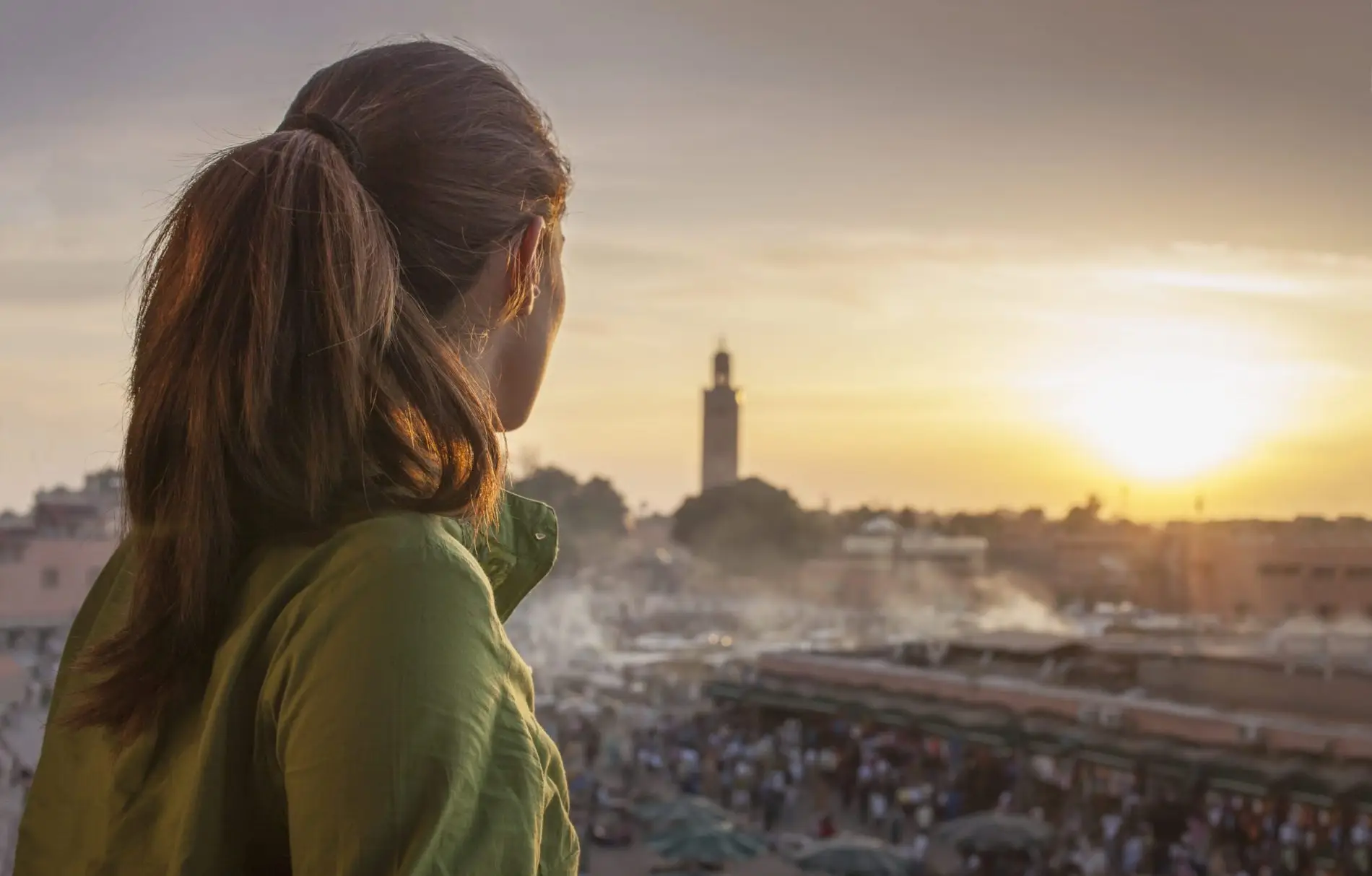
Choosing the best month to visit Marrakech significantly impacts your experience in Morocco’s most captivating city. From scorching summer heat that tests even seasoned travelers to crisp winter mornings perfect for exploration, from spring blooms transforming gardens to autumn’s golden light enhancing photography, each season and month offers distinct advantages and challenges that shape your Marrakech adventure.
Marrakech experiences dramatic seasonal variations despite its North African location. Understanding these patterns helps you optimize timing based on your priorities: comfortable temperatures for sightseeing, avoiding crowds, finding lower prices, experiencing festivals, or enjoying specific weather conditions for activities like hot air ballooning or Atlas Mountains trekking. This comprehensive guide examines every month, analyzing weather patterns, tourist crowds, pricing, special events, and ideal activities to help you determine the perfect time for your Marrakech journey. If you are weighing up the whole country rather than just the city, see our companion guide to the best time to visit Morocco month by month.
Travelling for a particular moment rather than the weather? Our Morocco festivals and events calendar for 2026 lists the dates that move each year.
What is the Best Month to Go to Marrakech?
The Overall Best Months: April and October
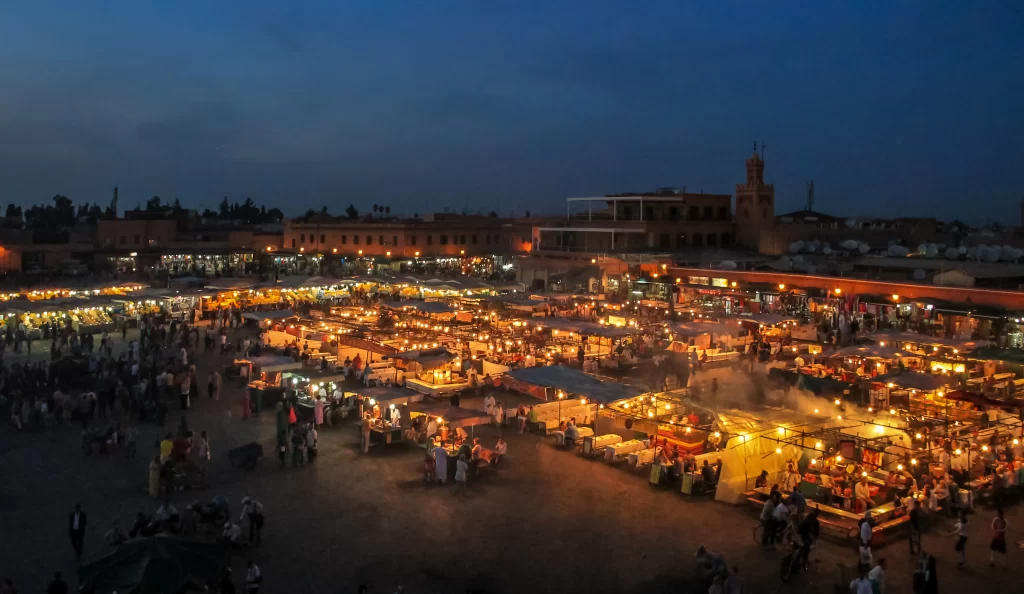
April and October consistently rank as Marrakech’s best months, offering optimal balances of pleasant weather, manageable crowds, and reasonable prices. These shoulder-season months avoid summer’s punishing heat and winter’s occasional cold snaps while providing reliably comfortable conditions for all activities from medina wandering to desert excursions.
For a closer look at spring across Morocco, see our guide to visiting Morocco in April.
April brings spring in full bloom. Gardens burst with color—bougainvillea cascades over walls, roses perfume the air, and orange trees offer both fragrance and fruit. The Atlas Mountains retain snow coverage, creating spectacular contrasts with the warming lowlands. Temperatures typically range from 15-25°C (59-77°F), perfect for walking tours, outdoor dining, and day trips. April also precedes the main European summer vacation influx, meaning attractions feel busy but not overwhelmed, and most services operate smoothly without strain.
October mirrors April’s advantages with autumn’s character. The brutal summer heat has passed, but temperatures remain warm and pleasant, typically 17-28°C (63-82°F). The sky often displays exceptional clarity after summer’s occasional haze, providing unlimited visibility for photography and mountain views. October marks the end of peak season, so while popular restaurants and riads still see good business, you’ll rarely encounter the crowds or booking difficulties that plague mid-summer. Nature takes on golden tones that enhance the city’s red-clay architecture beautifully.
Spring Excellence: March and May
March and May extend the spring excellence beyond April’s perfection, though each comes with minor caveats. March maintains cooler temperatures than April, averaging 12-23°C (54-73°F), which some travelers prefer while others find slightly chilly for early morning and evening activities. The month still sees occasional winter weather remnants—a rare rainy day or cooler spell—but these become increasingly infrequent as March progresses.
When you are ready to plan, browse all our Marrakech experiences.
May trends warmer than April, with temperatures climbing toward 18-29°C (64-84°F). For most travelers, this remains comfortable, though sensitive individuals might find midday hours beginning to feel warm. May’s main advantage is timing: European Easter holidays typically fall in March or April, bringing crowd surges, but May sees these tourists depart while North American summer vacation hasn’t yet begun. This creates a sweet spot of good weather with lighter tourist traffic.
Both months offer excellent conditions for outdoor activities. The Atlas Mountains become increasingly accessible as snow melts from lower elevation trails, expanding trekking options. Desert trips remain comfortable without summer’s intense heat. Gardens maintain their spring beauty, though by late May, some flowers begin fading. Both months provide reliable weather for hot air balloon rides, rarely cancelled due to wind or precipitation.
Autumn Options: September and November
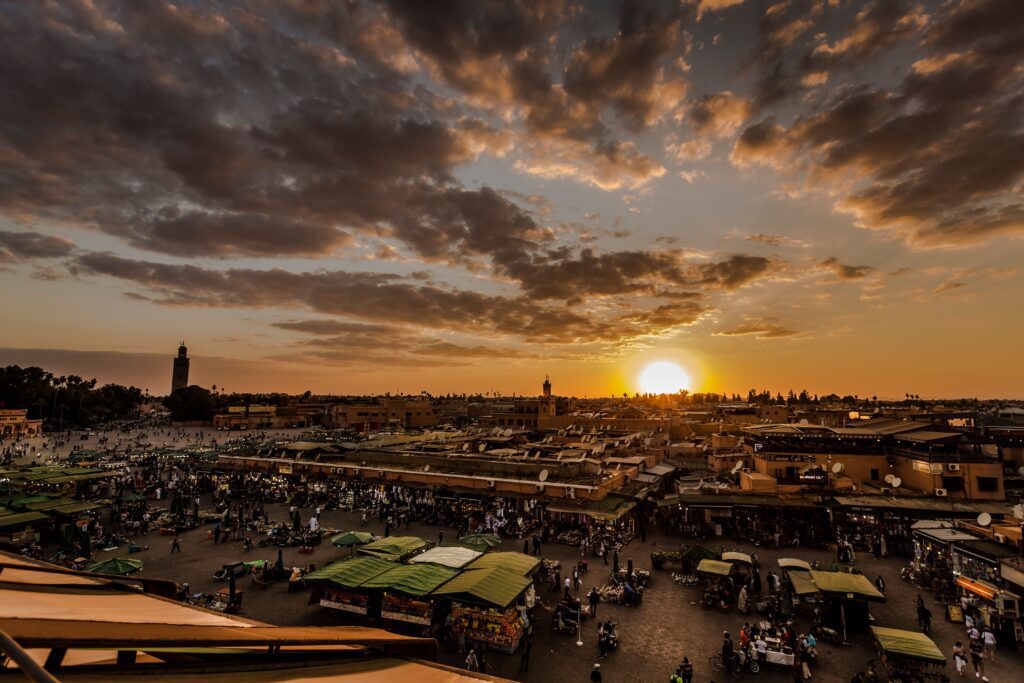
September and November bookend autumn’s peak in October, each offering distinct characteristics. September technically remains summer, with temperatures that can still feel quite warm, especially early in the month: 20-32°C (68-90°F). However, September represents huge improvement over July and August’s intensity. The weather becomes genuinely pleasant by mid-month, and many consider late September ideal timing—summer heat has moderated but autumn crowds haven’t yet arrived.
November brings cooler conditions, averaging 12-22°C (54-72°F), similar to March. Mornings and evenings require layers, though midday remains comfortable for most activities. November sees fewer tourists than autumn’s peak, translating to better availability and sometimes lower prices. The month does bring increased rainfall possibility compared to summer—though Marrakech remains relatively dry year-round, November averages more precipitation than June through September.
Both months work exceptionally well for specific interests. Photographers often prefer November’s cooler, clearer air and lower sun angle that creates more dramatic lighting. Adventure travelers find September to November perfect for mountain trekking as summer heat releases its grip but winter snow hasn’t yet arrived at most elevations. Cultural travelers appreciate these months for comfortable conditions when exploring the medina’s dense streets and covered souks.
When to Avoid Marrakech
The Rainy Season in Marrakech
“Rainy season” in Marrakech is somewhat misleading—the city receives modest precipitation year-round and never experiences monsoon-like conditions. However, November through March brings the highest likelihood of rain, with November, December, and March seeing the most frequent precipitation. Even during these months, rain typically arrives as brief showers or occasional full-day drizzle rather than extended periods of constant downpour.
Rain impacts Marrakech experiences in specific ways. The medina’s streets lack covered walkways, so exploring during rain means getting wet unless you stick to covered souks. Many riads feature open-air courtyards, meaning rain affects central common areas. Outdoor attractions like gardens and rooftop terraces lose appeal during precipitation. Day trips to mountains or deserts may be cancelled or significantly less enjoyable during rainy periods.
However, rain also offers advantages that some travelers appreciate. Precipitation clears the air, resulting in spectacular post-storm clarity. Crowds thin dramatically during wet weather, providing unusual opportunities to visit popular sites with minimal competition. Prices sometimes drop slightly during rainy periods as tourism demand decreases. Rain also brings a different aesthetic—wet streets reflecting lantern light, mist clinging to mountains, and the rich smell of earth after desert rain can be quite beautiful.
The rainy season’s unpredictability poses the real challenge. You might visit during December and experience perfect sunny weather, or arrive in supposedly dry April and encounter unexpected showers. This uncertainty makes planning difficult, particularly for photography-focused trips or activities requiring specific weather. Travel insurance becomes more important during rainier months to protect against cancellations or modified itineraries.
The Hottest Month in Morocco
July and August represent Morocco’s hottest months, with Marrakech experiencing brutal heat that many travelers find overwhelming. Daytime temperatures regularly exceed 38°C (100°F), with peak afternoon readings sometimes approaching or surpassing 45°C (113°F). This intense heat doesn’t just affect comfort—it fundamentally changes how you experience the city and limits which activities remain enjoyable or even safe.
During peak summer heat, outdoor sightseeing becomes genuinely challenging between 11 AM and 5 PM. Walking through exposed areas like Jemaa el-Fnaa square or between widely separated attractions feels punishing. Even locals retreat indoors during these hours, following traditional rhythms that recognize midday heat’s dangers. Dehydration, heat exhaustion, and sunburn risks increase dramatically, requiring constant vigilance about sun protection, hydration, and rest.
Summer heat also affects which experiences you’ll enjoy. Gardens that seem enchanting in spring feel less appealing when temperatures soar and vegetation looks parched. Desert trips, while still operated, lose much of their allure when you’re already overheated in the city. Even evening activities can feel uncomfortable as heat persists well after sunset, with temperatures often remaining above 30°C (86°F) through the night.
However, summer isn’t entirely negative. These months see the fewest tourists, meaning no crowds at attractions, easy availability for accommodations and restaurants, and often the year’s lowest prices. If you handle heat well, have experience with hot climates, and plan activities strategically—indoor attractions during midday, outdoor exploration early morning and evening—summer visits can work. Many travelers find the emptier medina and lack of tourist crowds appealing despite temperature challenges.
What is the Best Month to Go to Morocco?
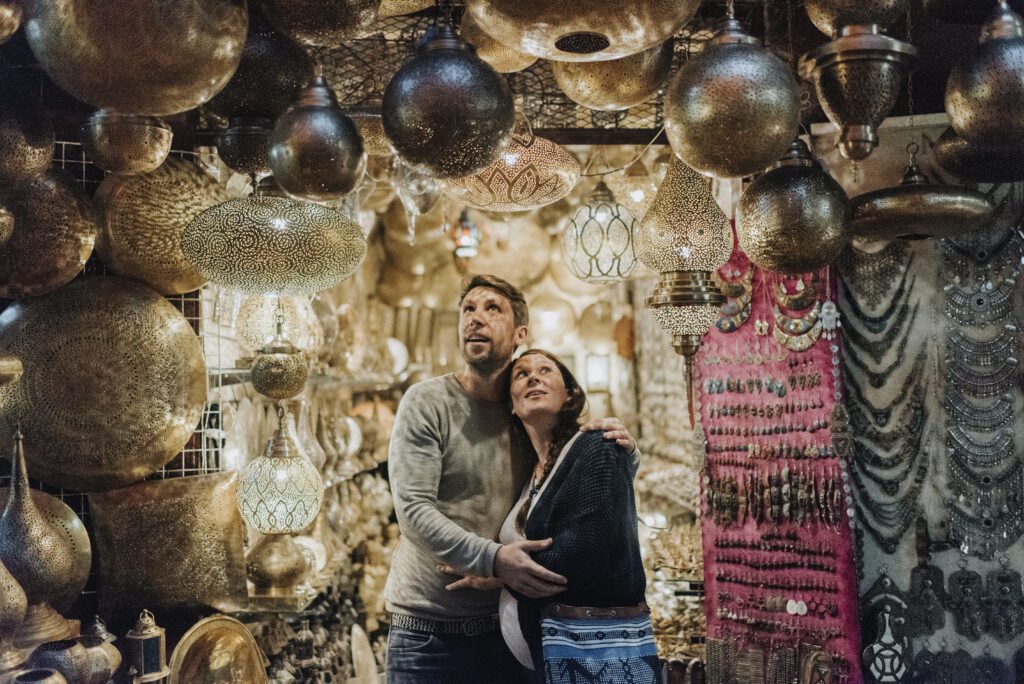
Morocco’s Diversity Requires Regional Consideration
Morocco’s geographical diversity means “best month” varies significantly by region. What works perfectly for Marrakech might be suboptimal for Sahara Desert trips, coastal cities, or mountain trekking. Understanding these regional variations helps you choose timing that optimizes your specific itinerary rather than focusing solely on Marrakech conditions.
The Atlantic coast (Essaouira, Casablanca, Rabat) maintains moderate temperatures year-round due to ocean influence. These cities rarely experience Marrakech’s temperature extremes, making summer more bearable and winter milder. However, coastal areas often see more wind and cloud cover than interior cities. Summer brings pleasant beach conditions, though water temperatures remain cool even in peak season. Winter can be quite damp and windy along the coast, though temperatures rarely drop to uncomfortable levels.
The Sahara Desert requires different timing considerations. Winter (December-February) brings surprisingly cold nights in the desert, with temperatures sometimes dropping near or below freezing despite warm days. Summer (June-August) creates dangerous heat, with midday temperatures often exceeding 50°C (122°F). Spring and autumn provide the desert’s most comfortable conditions, with March-May and October-November offering warm days and moderate nights perfect for camel treks and desert camping.
The Atlas Mountains present their own seasonal patterns. Summer provides the most accessible conditions, with snow melted from most trails and warm temperatures at altitude. However, this also represents peak trekking season with busier mountain villages and trails. Winter brings heavy snow that closes high passes and makes many areas inaccessible, though this creates opportunities for winter sports and spectacular snowy landscapes. Spring and autumn offer shoulder-season advantages—fewer trekkers, beautiful conditions, though some high-altitude routes may still have snow.
Optimizing for Multi-City Itineraries
When planning trips combining multiple Moroccan regions, April, May, October, and early November emerge as optimal compromise months. These periods provide comfortable conditions across most regions—pleasant in Marrakech, bearable in the desert, accessible in mountains, and reasonable along coasts. This consistency simplifies packing (you don’t need both winter and summer gear) and ensures all planned activities will likely be comfortable.
Spring (March-May) particularly suits itineraries combining Marrakech with desert trips and northern cities. The desert becomes comfortably warm, Marrakech hasn’t yet reached summer intensity, and northern cities like Fes and Chefchaouen enjoy mild spring conditions. Spring’s green landscapes and flowering plants also enhance the visual appeal of rural areas between cities.
Autumn (September-November) works exceptionally well for itineraries emphasizing cultural sites and cities over nature. The summer heat has passed, but conditions remain dry, reducing weather-related disruptions. This period also sees harvest activities in rural areas, providing interesting cultural observations about agricultural life. Autumn’s clearer air offers better visibility for appreciating Morocco’s diverse landscapes during drives between destinations.
Winter (December-February) can work for specific itineraries avoiding mountains and desert camping. Marrakech, Fes, and coastal cities remain visitable, though you’ll need warm clothing for mornings and evenings. Winter provides excellent value with lower prices across all tourist services. However, winter limits activities—skiing the Atlas Mountains becomes possible but desert camping less appealing, and some mountain passes close entirely.
Do and Don’ts in Marrakech (Weather-Related)
Dos for Marrakech Weather
Do dress in layers regardless of season. Marrakech experiences significant temperature swings between morning and afternoon, particularly during spring and autumn. Mornings might require a jacket, while afternoons feel warm enough for short sleeves. Layering allows adjustment throughout the day without being stuck in uncomfortable clothing. Evenings cool significantly even in summer, making light layers useful for outdoor dining.
Do prioritize sun protection year-round. Morocco’s southern latitude means intense sun exposure even during winter. Sunscreen, sunglasses, and hats aren’t just summer necessities—they’re year-round requirements. The medina’s narrow streets provide some shade, but open areas like squares and palace courtyards expose you to direct sun. Winter sun feels deceptively mild while still causing burns. Apply sunscreen liberally and reapply regularly, especially when sweating or after activities involving water.
Do plan indoor activities during peak heat hours. In summer, structure your schedule around heat: explore outdoors early morning and late afternoon, retreat to air-conditioned museums, hammams, shops, or your accommodation during midday. Many riads feature pools or shaded courtyards perfect for afternoon relaxation. This rhythm aligns with local customs—shops often close for midday breaks during summer, so you’re working with rather than against the city’s natural flow.
Do stay hydrated continuously. Marrakech’s dry climate causes dehydration faster than humid environments because sweat evaporates quickly, making you less aware of fluid loss. Carry water constantly and drink before you feel thirsty. Most restaurants and cafés serve water readily. Budget for frequent juice or beverage stops—staying hydrated significantly improves energy levels and mood, particularly during hot months or active sightseeing.
Do check weather forecasts regularly. While Marrakech enjoys generally predictable weather, unexpected variations occur. Checking forecasts helps you optimize daily plans—if rain is predicted afternoon, prioritize outdoor activities in the morning; if exceptionally hot days are forecast, plan accordingly. Weather apps provide reasonably accurate Marrakech forecasts, helping you make informed decisions about activities and clothing.
Don’ts for Marrakech Weather
Don’t underestimate winter cold, particularly at night. Many travelers assume Morocco’s African location means perpetual warmth. Winter nights in Marrakech can drop to 5-10°C (41-50°F), and traditional riads often lack central heating. Bring warm sleepwear, and don’t hesitate to request extra blankets. Similarly, morning explorations require appropriate layers—you might be uncomfortably cold in summer-weight clothing despite midday warmth arriving later.
Don’t plan intensive outdoor activities during July-August without heat experience. If you’re unaccustomed to extreme heat or have health conditions affected by high temperatures, reconsider summer visits or plan extremely conservative schedules. Heat exhaustion and heatstroke are real risks, not just discomforts. Many first-time visitors underestimate the impact of 40+°C temperatures on their energy, mood, and ability to enjoy experiences.
Don’t assume rain gear isn’t necessary in shoulder seasons. Even during generally dry periods, occasional showers occur. A compact rain jacket or umbrella takes minimal luggage space but can prevent a miserable wet day. The medina lacks covered walkways, meaning rain significantly impacts your ability to explore comfortably. Being prepared for occasional precipitation ensures weather doesn’t derail plans.
Don’t wear inappropriate footwear for cobblestone streets. Marrakech’s medina features uneven cobblestones, steps, and surfaces that become slippery when wet. Flip-flops and smooth-soled shoes cause stability problems and foot fatigue. Weather compounds footwear issues—rain makes surfaces treacherous, while heat causes foot swelling that makes shoes uncomfortable. Choose supportive, closed-toe shoes with good traction, breaking them in before travel.
Don’t forget elevation affects weather in nearby areas. Day trips to Atlas Mountains or even slightly elevated areas outside Marrakech can feel significantly cooler than the city itself. If planning mountain excursions, bring appropriate clothing even if Marrakech feels warm. Temperature drops with elevation, and mountain weather changes rapidly. What feels like a warm morning in Marrakech might be quite cold at mountain viewpoints.
Conclusion
Determining the best month to visit Marrakech requires balancing multiple factors: weather comfort, crowd levels, pricing, special events, and your specific interests and activities. For most travelers, April and October emerge as optimal choices, offering the best combinations of pleasant weather, reasonable crowds, and reliable conditions for all activities.
Spring months (March-May) and autumn months (September-November) all provide excellent experiences with slight variations in temperature and tourist density. These periods optimize Marrakech exploration while avoiding summer’s intense heat and winter’s unpredictability. Whether you prioritize comfortable sightseeing temperatures, photography conditions, outdoor activities, or simply pleasant weather for wandering the medina, these shoulder seasons deliver consistently.
Summer (June-August) works for heat-tolerant travelers who appreciate empty attractions and lower prices, though the extreme temperatures require significant schedule adjustments and limit certain activities. Winter (December-February) offers good value and fewer crowds but brings cooler temperatures, occasional rain, and the need for warm clothing, particularly for mornings and evenings.
Ultimately, Marrakech rewards visitors year-round, with each season offering unique advantages. Your ideal timing depends on personal preferences, activity priorities, and how you define the perfect travel experience. By understanding each month’s characteristics and planning accordingly, you can optimize your Marrakech adventure regardless of when you visit.
How Many Days in Marrakech
Our companion guide answers that one in detail: how many days in Marrakech, with day-by-day suggestions.
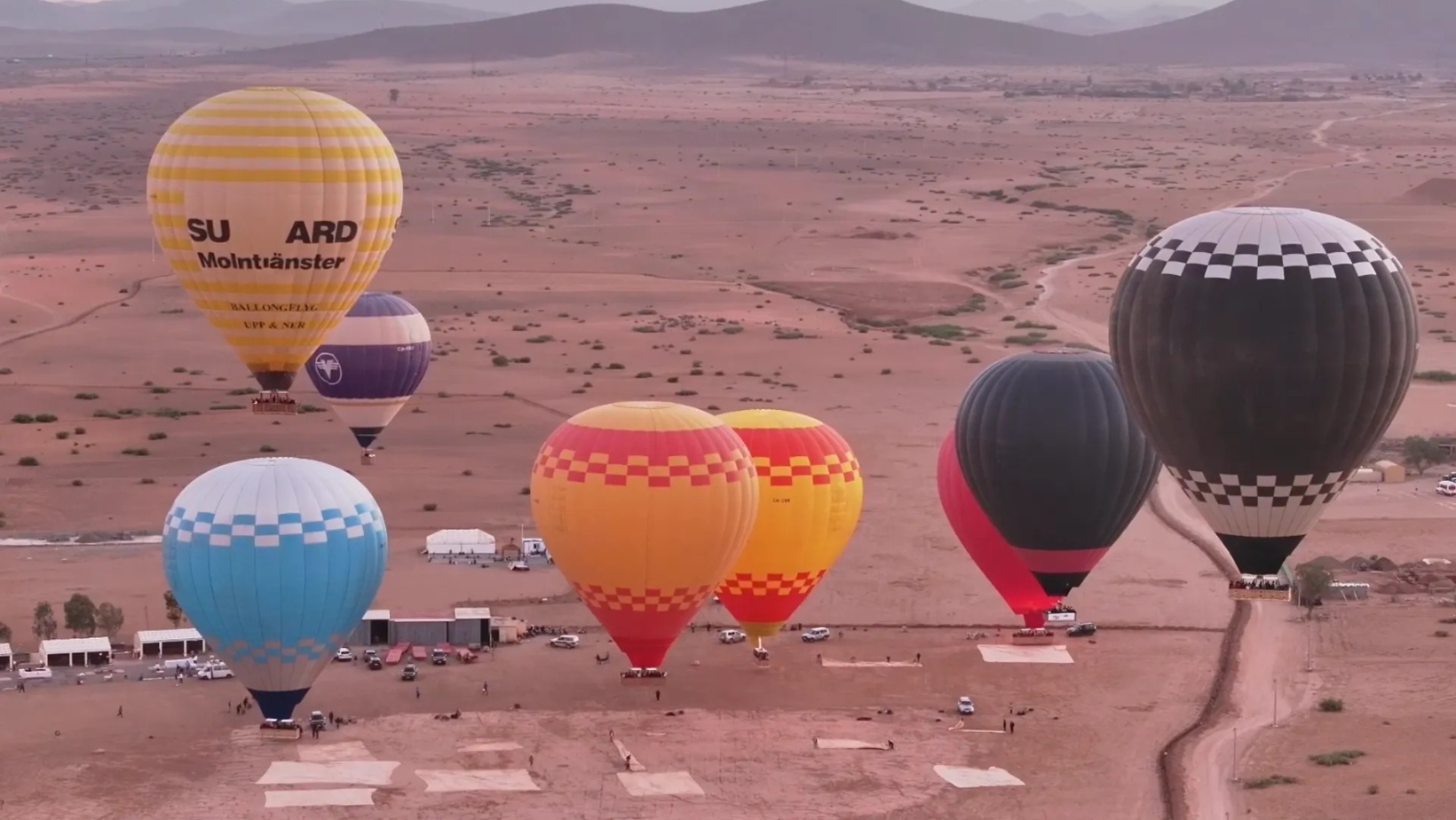
Hot Air Balloon Marrakech
Soar above the Red City and enjoy breathtaking sunrise views of the Atlas Mountains as one of the most unforgettable Marrakech tours.

Quads in Marrakech
Experience the thrill of quad biking through the palm groves and desert landscapes surrounding Marrakech. A perfect blend of adventure and scenery.
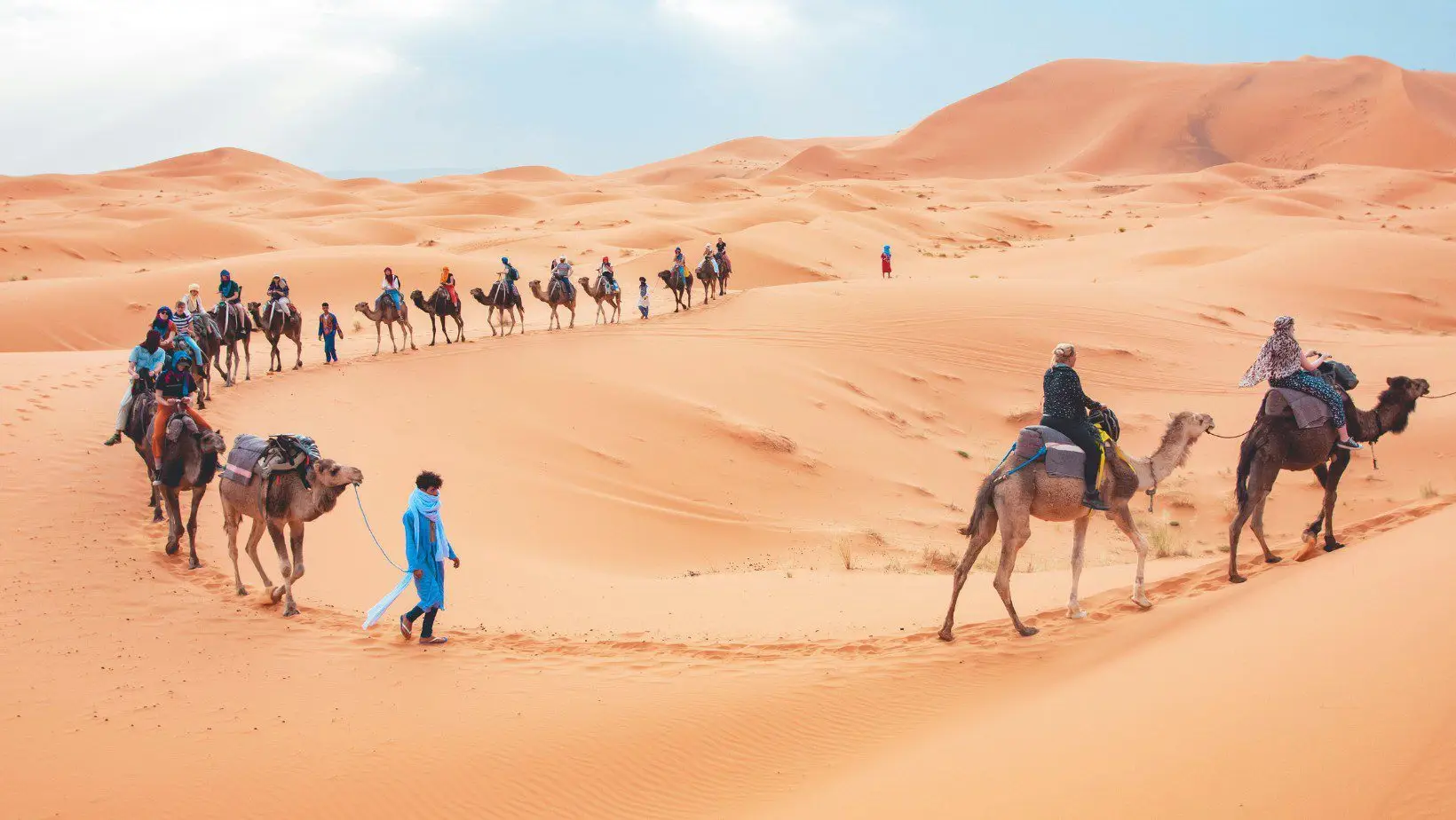
Marrakech Desert Tours
Journey from Marrakech to the Sahara Desert. ride camels, spend the night in a Berber camp, and discover the magic of the dunes.
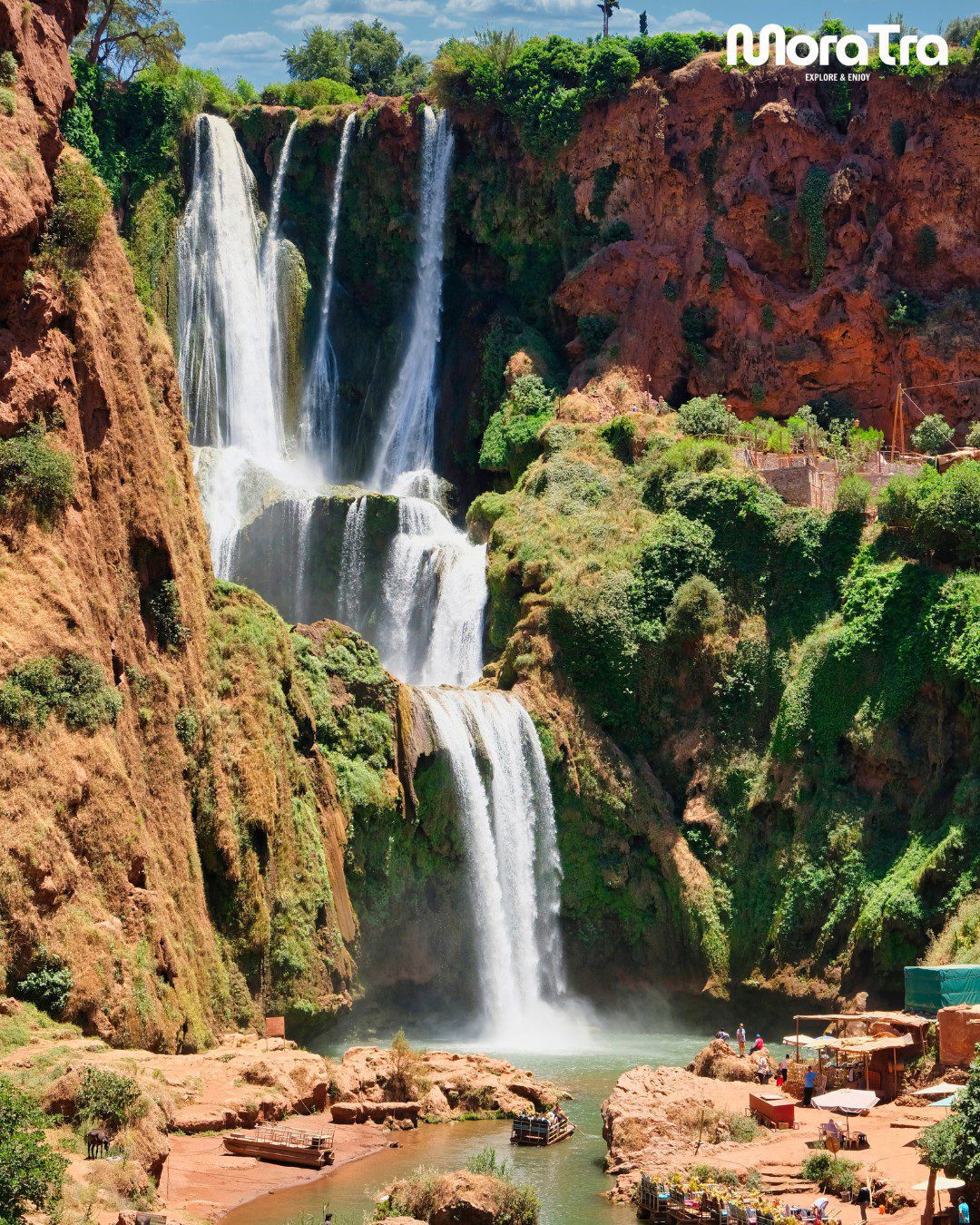
Ouzoud Waterfalls Tour from Marrakech
A refreshing escape to one of Morocco’s most beautiful natural wonders. Enjoy hiking, stunning views, and the chance to see Barbary monkeys.
Plan Your Morocco Trip with Moratra
Ready to turn the ideas in this guide into a real trip? Browse Moratra’s most-booked private experiences across Morocco — handpicked itineraries, luxury riads and local guides:
- Luxury Morocco Tours — multi-day private itineraries across Marrakech, the Sahara, Fes and the imperial cities.
- Morocco Sahara Desert Tours — VIP private journeys from Marrakech to Erg Chebbi and Merzouga.
- Agafay Desert Day Trips — luxury camps and dinner-under-the-stars experiences just 30 minutes from Marrakech.
- Activities and Day Tours in Marrakech — cooking classes, hammams, walking tours and hot air balloon flights.
Need help choosing? Reach out anytime — our local team offers free, no-obligation Morocco trip advice.
For more options, browse all our Marrakech tours and excursions.
