
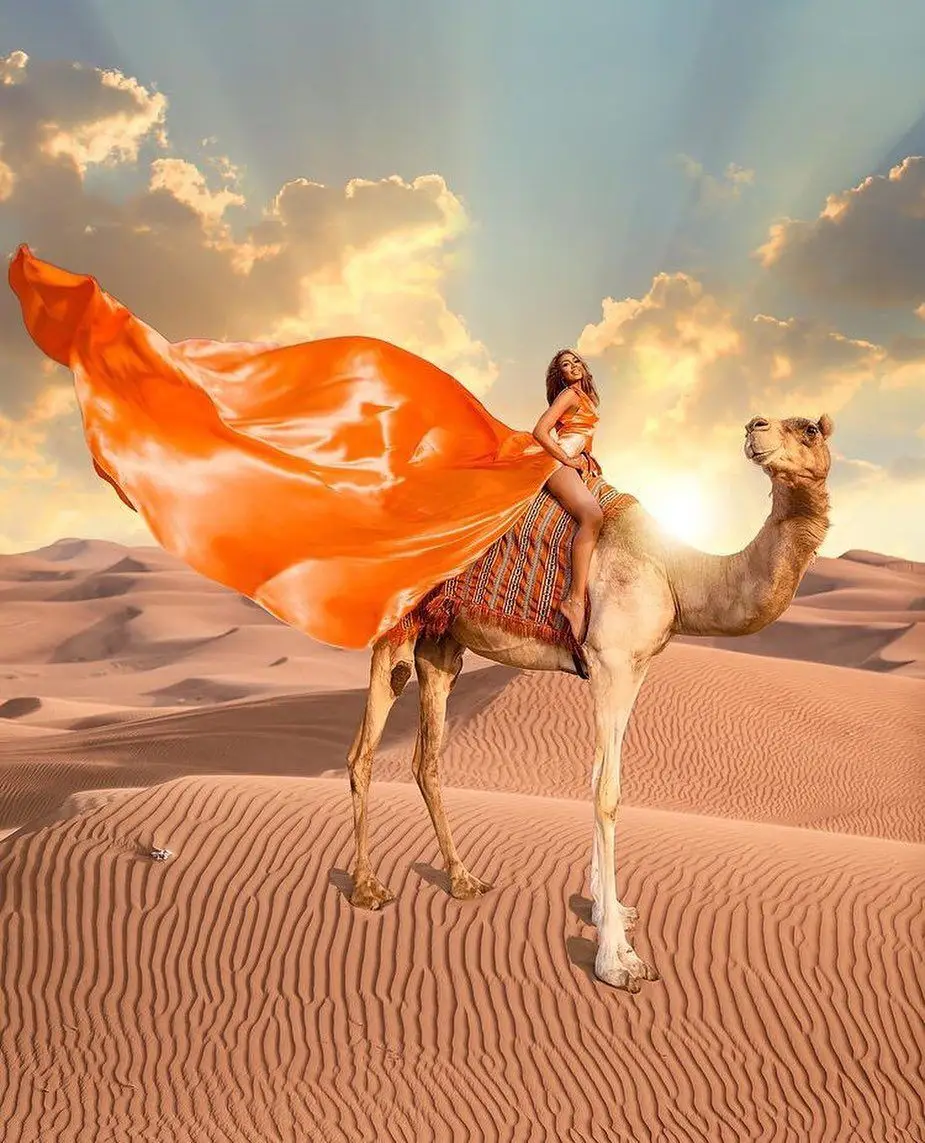
The best time to visit the Sahara Desert in Morocco is from October to April, when the days are warm rather than fierce and the nights are cold and clear. If you want one simple answer, aim for late October, November, March, or early April. Those weeks give you comfortable camel treks, cool evenings by the fire, and the huge, star-filled skies the dunes are famous for.
Summer is the season to approach with care. Between June and August, afternoon temperatures near Merzouga climb past 40°C, which changes how — and how safely — you can spend time on the sand. This month-by-month guide walks through the Sahara’s weather, the trade-offs of each season, and how to match your trip to the conditions you actually want.
When is the best time to visit the Sahara Desert in Morocco?
For most travellers, the sweet spot runs from October to April. Moratra’s own desert guidance puts the ideal window there too: daytime temperatures are mild and the nights are crisp but comfortable. Outside a warm midday hour, this is when the Sahara is easiest to enjoy on foot, on a camel, or around a camp.
Two features of desert climate explain why. First, the daily temperature swing is large, so a pleasant afternoon can turn into a cold night within a few hours. Second, rainfall is almost nothing all year, so your real choice is about heat and comfort, not dodging wet weather.
You can also do this with us on our 3-day Sahara desert tour from Marrakech.
The shoulder months — March to May and September to November — balance those forces best. You get warm, dry days and nights that are cool without being harsh. Deep winter is superb for clear skies and stargazing if you pack for the cold, while high summer is the one window most first-time visitors are happier avoiding.
Sahara weather by month: Merzouga temperatures at a glance
Merzouga, at the foot of the Erg Chebbi dunes, is the Sahara most travellers reach from Marrakech, so its figures are a fair guide to desert conditions. The table shows the average daytime high, the average night-time low, and typical rainfall for each month, drawn from long-term climate averages for Merzouga.
| Month | Avg daytime high | Avg night low | Rain | Desert verdict |
|---|---|---|---|---|
| January | 17°C | 4°C | 5 mm | Cold nights, crisp clear days; superb stars |
| February | 19°C | 6°C | 7 mm | Cool, comfortable days; cold nights |
| March | 24°C | 10°C | 6 mm | Excellent — warm days, cool nights |
| April | 29°C | 14°C | 3 mm | Ideal — warm, dry, still-mild nights |
| May | 33°C | 18°C | 3 mm | Warm to hot; pleasant in early May |
| June | 38°C | 23°C | 1 mm | Hot; midday heat builds fast |
| July | 41°C | 26°C | 1 mm | Very hot; limit midday time outside |
| August | 40°C | 26°C | 2 mm | Very hot; dawn and dusk only |
| September | 35°C | 21°C | 6 mm | Hot early, easing late in the month |
| October | 29°C | 16°C | 8 mm | Excellent — warm, dry, golden light |
| November | 22°C | 9°C | 6 mm | Ideal — mild days, cold nights |
| December | 17°C | 5°C | 5 mm | Cold nights, clear crisp days; great stars |
The pattern is clear: rain is negligible in every month, so heat is the deciding factor. July’s average high reaches about 41°C while the region sees only around 53 mm of rain across the whole year. Typical midday highs run near 43°C in July and around 19°C in January, which lines up with the seasons below.
Spring and autumn: the Sahara’s sweet spot
If you can choose freely, travel in spring or autumn. March through May and September through November give you warm afternoons for dune walks and camel rides, then evenings cool enough for a fire and a blanket. October and November in particular pair long golden light with mild days of about 22 to 29°C.
These months also suit a combined trip. The same weather that flatters the desert is kind to the cities, so it is easy to add a few days before or after — our guide to the best time to visit Marrakech shows how the city’s seasons line up. Spring and autumn are the busiest tourist months, though, so book your dates and camp early.
“Going private with Moratra was the difference between a holiday and a life-changing experience. The silence in the desert at dawn is something I will carry forever.”
— James R., London, Grand Sahara Circuit guest, November 2024
Autumn nights turn cold once the sun drops, so bring a warm layer even in October. The reward is the desert at its gentlest: comfortable by day, clear and quiet by night, with the Milky Way overhead on a moonless evening.
Winter in the Sahara (December to February)
Winter is the quiet secret of the Moroccan Sahara. Days are mild and sunny, usually around 17 to 20°C, which is comfortable for walking the dunes and exploring by private vehicle. The skies are often at their clearest, so this is prime time for photography and stargazing.
The catch is the cold after dark. Night-time lows near Merzouga fall to about 4 to 6°C in December and January, and the open desert can feel colder in the wind. Reputable desert camps supply thick blankets and heaters, but you should still pack a proper insulating layer, a hat, and gloves.
Winter also brings smaller crowds and easier availability than the spring and autumn peaks. If you sleep well when it is cold and you value empty dunes and brilliant stars, December to February rewards you. Just build your day around the warm midday hours and be back at camp before the temperature drops.
Summer in the Sahara (June to August): how hot is too hot?
Summer is when the Sahara earns its reputation. Around Merzouga, July and August highs sit near 40 to 41°C, and the sand radiates heat well into the evening. Midday walks on the dunes are genuinely risky in that heat, not merely uncomfortable.
That does not rule summer out, but it changes the plan. Activity shifts to the very early morning and the hour around sunset, with the middle of the day spent resting in shade, and hydration stops being optional. The U.S. CDC’s guidance on avoiding heat illness — drink often, cover up, and rest during the hottest hours — is worth reading before a summer desert trip.
Some travellers still go, drawn by lower prices and quiet camps. If that is you, our honest look at whether the Sahara is worth the summer heat weighs the trade-offs in detail. For most first-time visitors, though, a shoulder-season or winter trip is the easier and safer choice.
How far is the Sahara from Marrakech, and how many days do you need?
The true Sahara is a serious drive from Marrakech, so your timing has to include the journey, not just the forecast. The Zagora dunes are about 360 km away, roughly a 5.5 to 6 hour drive, while the larger Merzouga dunes at Erg Chebbi are about 560 km and 8 to 10 hours each way.
Because of those distances, a rushed overnight rarely does the desert justice. Three days is the realistic minimum for Merzouga: a scenic drive over the Atlas, a full sunset and sunrise in the dunes, and the return. On our own private departures, we split that long drive across two days, with stops through the Dades and Todra valleys, so the road becomes part of the trip.
Every Moratra Sahara tour is private, includes hotel pickup in Marrakech and a licensed local guide, and can be tailored from three to eight or more days. You can compare routes on our Marrakech to Merzouga desert tour and our wider Marrakech desert tour options, or read our month-by-month guide to visiting Morocco for the bigger picture.
Choosing your month: a quick checklist
Once you know what you want from the desert, the right month usually picks itself. Work through these five questions in order.
- Set your priority. Comfort and easy camel treks point to October, November, March, or April.
- Check your tolerance for cold. If chilly nights are fine, December to February add clear skies and fewer people.
- Rule out extreme heat. If you cannot handle 40°C days, avoid June through August or plan tightly around dawn and dusk.
- Count your days. Allow at least three for Merzouga, or choose closer Zagora for a shorter trip.
- Book early for peak months. Spring and autumn camps fill first, so lock your dates well ahead.
Match those answers and you will land on a month that fits both the weather and the kind of trip you want.
Best months to book your private Sahara tour
The desert rewards a little timing. Pick a shoulder-season or winter month, give yourself at least three days, and you set the trip up for warm, comfortable days and cold, star-filled nights. Tell us the month you have in mind and how many nights you want in the dunes, and we match you to the right route and camp.
We reply within 24 hours with a private itinerary and a clear quote, and your 50% deposit stays fully refundable for 24 hours (conditions apply). Our guests rate us 5.0 on Google. Browse our private desert tours from Marrakech for the main routes, or ask us anything, and we answer for free, with no obligation.
For more options, browse all our Morocco desert tours.
Best time to visit the Sahara Desert: frequently asked questions
What is the best month to visit the Sahara Desert in Morocco?
October, November, March, and April are the strongest all-round months. Days are warm and dry, nights are cool but not freezing, and the light is at its best. They are ideal for camel treks and for comfortable nights at a desert camp without the summer heat.
What is the weather like in Merzouga in summer?
Hot. From June to August, average highs near Merzouga sit around 40 to 41°C, and the sand holds its heat into the evening. Summer trips work best with dawn and dusk activity, shade at midday, and careful hydration throughout the day.
Is the Sahara too cold to visit in winter?
No, but the nights are genuinely cold. December and January days are mild at around 17 to 20°C, while nights can drop to about 4 to 6°C. Camps provide blankets and heaters, so pack a warm layer and you will enjoy clear skies and superb stargazing.
How many days do you need for a Sahara desert tour from Marrakech?
Allow at least three days for Merzouga, which is about 560 km and 8 to 10 hours from Marrakech each way. Three days covers the drive over the Atlas, a sunset and sunrise in the dunes, and the return. Zagora, at about 360 km, suits a shorter two-day trip.
Does it rain in the Moroccan Sahara?
Very rarely. The Merzouga area receives only around 53 mm of rain across an entire year, spread thinly between the months. Rain is almost never a reason to change your plans; heat and cold are the factors that matter.
When is the cheapest time for a Sahara desert tour?
High summer and deep winter are usually the quietest and best-value windows, because demand drops in the extreme heat and the cold nights. If you can handle the conditions, you can often find lower prices and near-empty camps in July, August, and January.
